Featured
Table of Contents
Every person experiences sorrow in different ways. Your experience of pain and exactly how you cope with it will depend on different variables. These might include your age, previous experiences with despair and your spiritual or religious views.
Anticipatory pain indicates sensation depressing before the loss happens. Rather than grieving for the individual, that is still with you, you might really feel grief for things you won't reach do together in the future. When dealing with a considerable loss, such as the death of a loved one, it is all-natural to feel lots of solid emotions.
Individuals identified with a terminal disease and those facing the death of a loved one may experience awaiting pain., you might experience lots of feelings consisting of shock, worry and sadness.
The Power of Internal Family Systems in Healing Professional Identity
You regret shed opportunities or experiences you'll miss out on also little ones, such as the enjoyment of the sunshine or a warm mug of coffee. If a person you love is encountering a terminal illness, it prevails to experience anticipatory pain in the months, weeks and days before death. You might grieve the very same points your enjoyed one is grieving, or different losses entirely.
You may feel that the individual you recognized is already gone, even if they are still literally there. If your loved one has a decline in physical health and wellness or movement, you may really feel awaiting sorrow as you lose the chance to share experiences, such as pastimes, holidays or occasions.

This is particularly real if you invest a great deal of time looking after the person. You may miss out on tasks you used to appreciate with each other and feel sorrow concerning the adjustment in your connection. The nature of your connection might change as you take on a carer's role, or end up being the one being cared for.
Feelings of grief prior to fatality are regular it is very important to acknowledge them, and to discuss them. Experiencing anticipatory sorrow does not necessarily indicate that you will regret your liked one any type of less after they are gone. Carers of individuals that are terminally ill may end up being better to their enjoyed one, making their feelings of despair after death much more intense.
Why Achievement Doesn't Resolve Psychological Struggles
Lifeline provides support for individuals experiencing psychological distress. Beyond Blue offers information and assistance for people experiencing mental wellness difficulties consisting of grief. Griefline Call 1300 845 745 for support offered to grownups aged 18 years and over. Mensline supplies telephone and online coaching and assistance to males in Australia. Cancer Council offers information and assistance to individuals with cancer and their enjoyed ones.
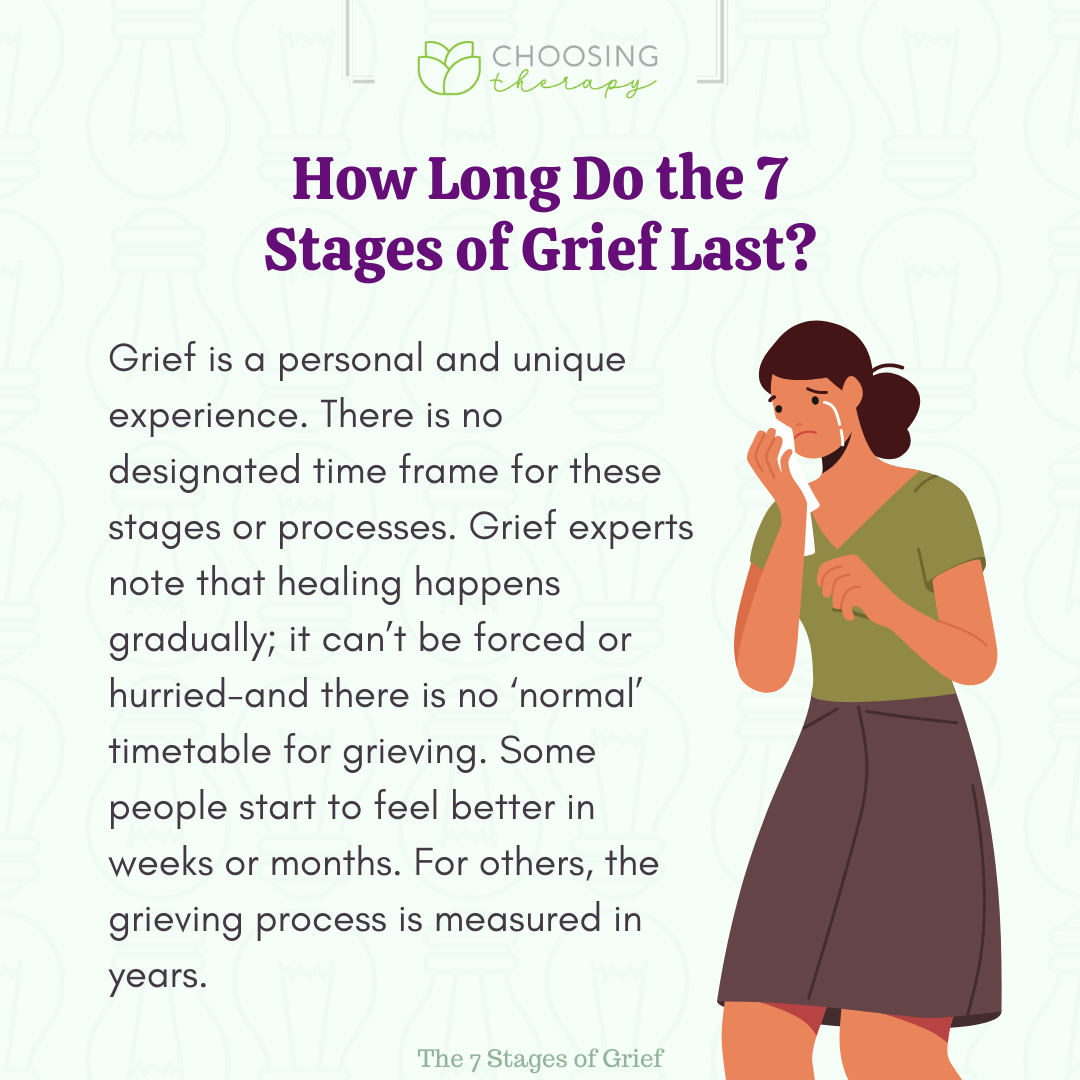
Individuals speak about the 5 stages of grief as: rejection anger negotiating anxiety approval. In reality, we do not experience feelings of grief one at a time or in a specific order. We understand that there are no set stages that every person undergoes. You may experience these things due to the fact that they are all regular sensations of grief.
It's regular to feel other points also, such as shock, anxiousness, fatigue, or regret. Some people really feel numb after the fatality of a person they appreciated. They might even attempt to continue as though absolutely nothing has occurred. If you experience this, it can be due to the fact that it's just too hard to believe that the individual you understand so well is not coming back.
Why Success Doesn't Fix Deeper Wounds
Maybe they assure themselves that they will certainly now always do (or not do) something, believing that it could make the individual who has actually died come back. Individuals might likewise find that they maintain going back over the past and ask lots of 'what if' inquiries, desiring that they might go back and transform points so that they can have turned out differently.
These feelings can be extremely intense and painful, and they might reoccur over lots of months or years. However lots of people locate that agonizing feelings similar to this ended up being much less strong gradually. If you do not feel this is the situation for you, then you should ask for help.
Her design became commonly accepted as a method to understand pain, yet with time, grief counsellors and researchers increased upon it, bring about the growth of the. This extended version incorporates extra psychological responses that people might experience: The first reaction to loss commonly brings shock and disbelief. This stage acts as a safety device, permitting us to soak up the truth of our loss in workable dosages.
Sensations of regret or sense of guilt might arisewondering if you could have done something in different ways, or sensation sorrow over things left unspoken. Despair can materialize as angertoward yourself, others, or also the individual that has passed.

Latest Posts
Investing in EMDR therapy Treatment
Self-Care Strategies Supporting Treatment Sessions
Starting Therapy in Eating Disorder Therapy